How to Reduce Cart Abandonment in Your Online Store
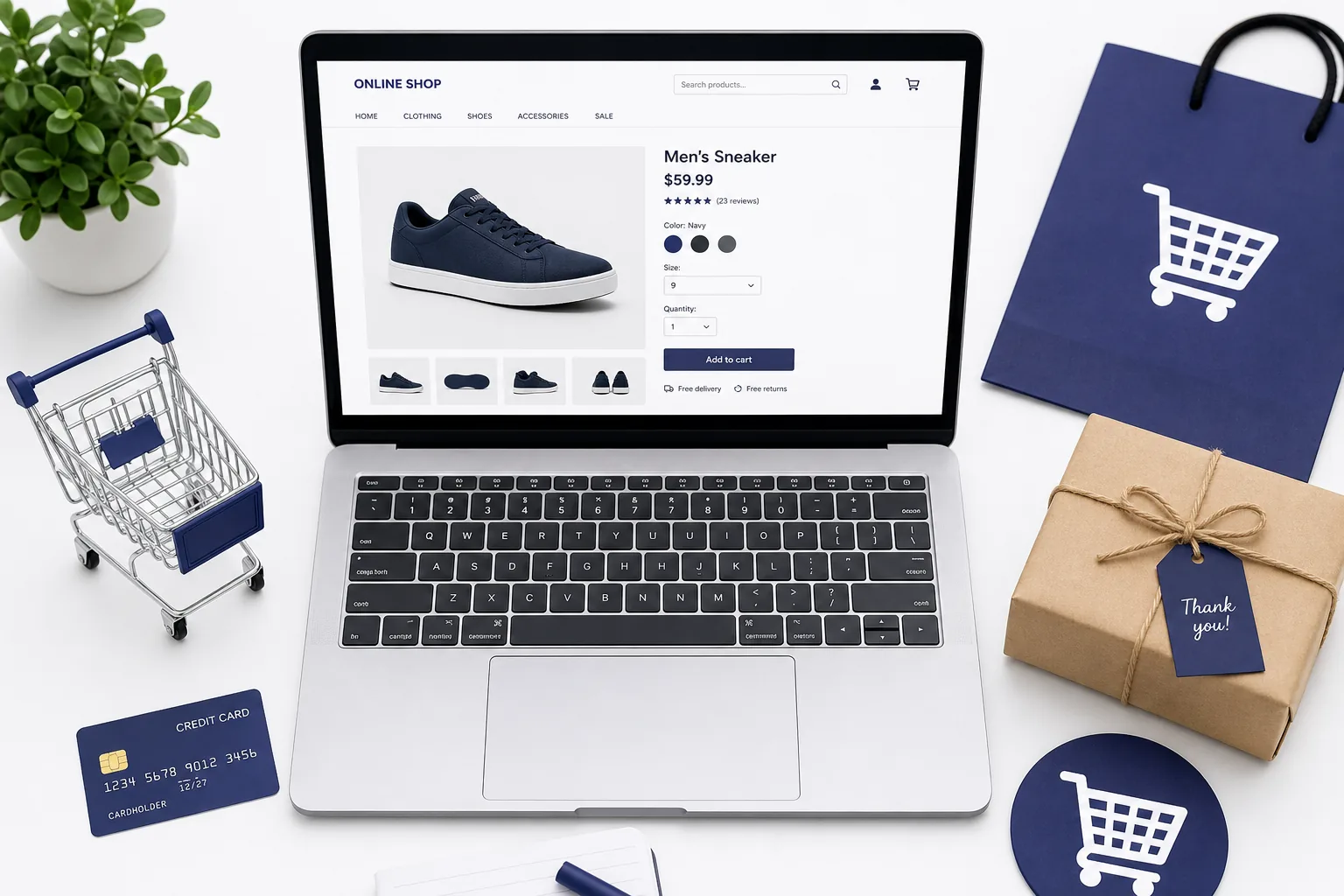
Few things are more frustrating for an online retailer than watching shoppers fill a basket, reach the checkout, and then vanish. The product interested them, the price appealed to them, and yet the sale never completed. At Eurolingo we spend a great deal of time helping shops recover this lost revenue, and the encouraging news is that most abandonment has clear, fixable causes. In this guide we walk through why people leave, what to change on your storefront, and how to bring hesitant buyers back.
Why shoppers abandon their baskets
Abandonment is rarely a single dramatic failure. It is usually the sum of small frictions and moments of doubt that pile up until the customer decides the effort is not worth it. Understanding the common triggers is the first step to removing them.
- Hidden delivery costs that only appear at the final step, turning a fair price into a nasty surprise.
- Forced account creation before someone is allowed to pay.
- Too few payment methods, so the shopper cannot pay the way they prefer.
- A long, multi-page checkout that asks for more information than the purchase warrants.
- A lack of trust signals, leaving people unsure whether their card details are safe.
Notice that none of these are about the product itself. By the time someone reaches the basket they have already decided they want what you sell. The job of the checkout is simply to get out of the way.
Be honest about delivery costs early
The single biggest cause of abandonment we see is an unexpected delivery charge revealed at the last moment. If a customer believes they are paying one amount and the total jumps at the final screen, they feel misled, and that feeling overrides any interest in the product. The fix is transparency. Show delivery costs, or a clear delivery estimate, as early as possible, ideally on the product page and again in the basket.
Where your margins allow, consider a free-delivery threshold. A message such as "Add another item for free delivery" nudges shoppers to spend a little more while removing the charge that would otherwise cost you the sale. If free delivery is not viable, flat, predictable pricing is the next best thing.
Let people buy as guests
Forcing registration before payment is a barrier that benefits you far less than you think. A first-time buyer does not want an account; they want the item. Offer a clear guest checkout option, and only invite account creation after the order is placed, when you can frame it as a convenience: "Create a password to track this order and check out faster next time." You still capture the email address you need, and you capture the sale as well.
Offer the payment methods people actually use
Payment preference is personal and often non-negotiable. Someone who always pays with a digital wallet may simply not have their card to hand. At a minimum, support major debit and credit cards, a digital wallet such as Apple Pay or Google Pay, and PayPal. Wallets are especially valuable on mobile, where typing card details is tedious, because they let a shopper confirm with a fingerprint or a glance.
Shorten and simplify the checkout
Every field is a small tax on the customer's patience. Ask only for what you genuinely need to fulfil the order. A few practical steps make a noticeable difference:
- Use address lookup so a postcode fills in the address automatically.
- Combine steps onto a single page, or show a clear progress indicator if you must split them.
- Autofill and remember returning customers' details.
- Keep the basket visible so people can see exactly what they are paying for.
- Make error messages specific and forgiving rather than clearing the whole form.
Test the entire journey on a phone as well as a desktop. Mobile is where most browsing now happens, and it is where clumsy checkouts do the most damage.
Build trust at the point of payment
Handing over card details asks for a small act of faith. Reassure people at the exact moment they hesitate. Display a padlock and secure-payment messaging near the payment fields, show the card and wallet logos you accept, and keep your returns and contact information one click away. Genuine customer reviews and a clearly stated returns policy also reduce the fear of a purchase going wrong.
A checkout should feel like a helpful assistant guiding you to the till, not a bureaucratic form standing between you and the thing you want.
Win back the shoppers who still leave
Even a well-built checkout will not convert everyone on the first visit. People get distracted, compare prices, or simply run out of time. Remarketing gives you a second chance.
Abandoned-basket emails are the most effective tool here. If you have captured an email address, a friendly, well-timed reminder showing the items left behind can recover a meaningful share of otherwise lost orders. Keep the tone helpful rather than pushy, and make it effortless to return straight to the basket. For visitors you cannot email, retargeting adverts can gently remind them the product is still waiting. Use these tactics with restraint; a single thoughtful nudge works far better than a barrage.
Bringing it together
Reducing cart abandonment is not about clever tricks. It is about respecting your customer's time and removing doubt: honest pricing, a guest option, the right payment methods, a short checkout, and clear signs that they are safe. Fix the causes first, then use remarketing to recover the stragglers. If you would like a fresh pair of eyes on your checkout, we would be glad to review it with you and suggest the changes likely to make the biggest difference.
Got a project in mind?
Turn the reading into action. Tell us about it — we'll help design your site and build its visibility in Google.
Free quote