SEO or Google Ads — Which Should You Invest in First
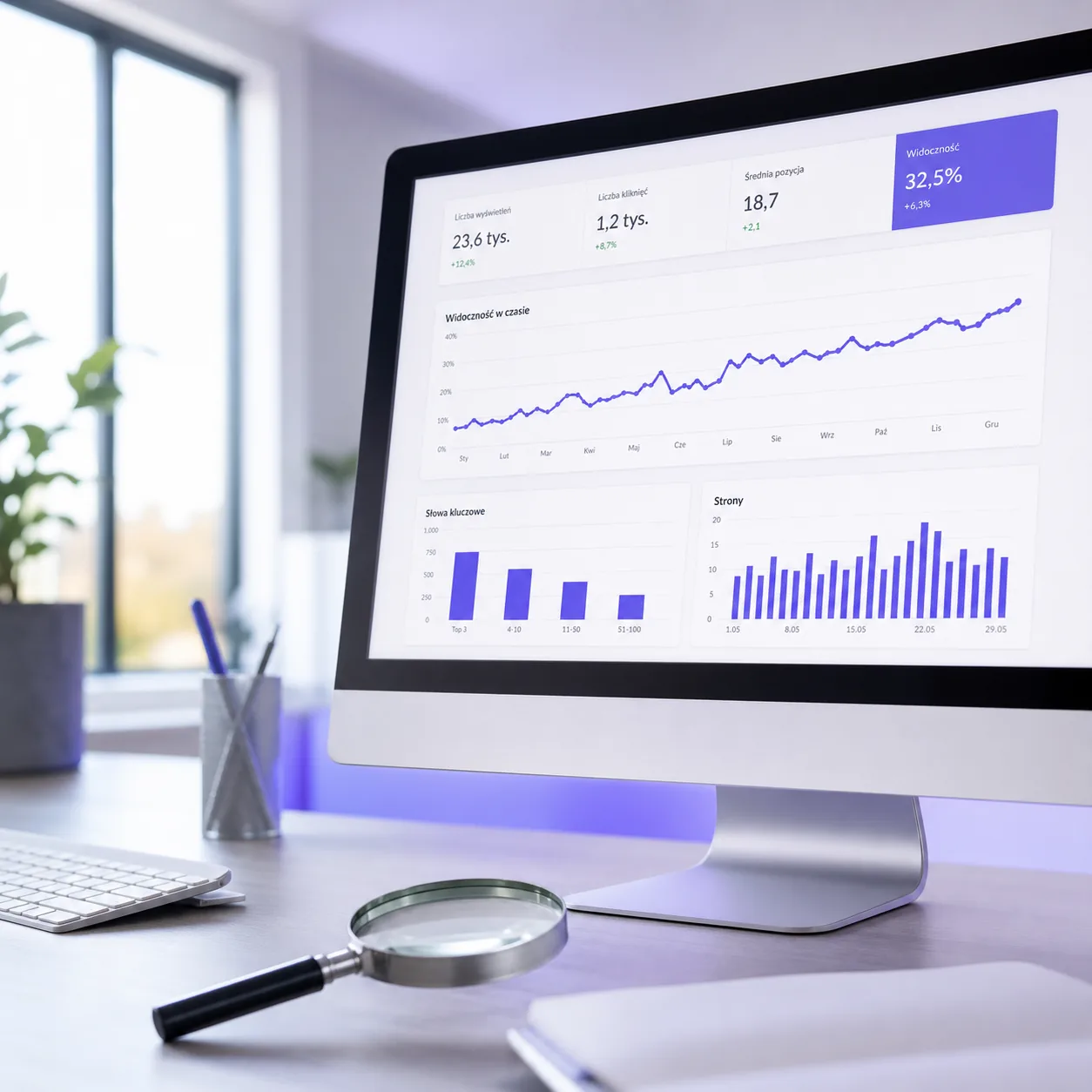
When budgets are tight and every marketing pound has to work hard, one question comes up in almost every conversation we have with new clients: should we invest in SEO or Google Ads first? It is a fair question, and the honest answer is that they are not really competitors. They are two different tools that solve the same problem from opposite ends. Understanding how each one behaves helps you decide where to put your money, and when.
Paid versus organic: two routes to the same page
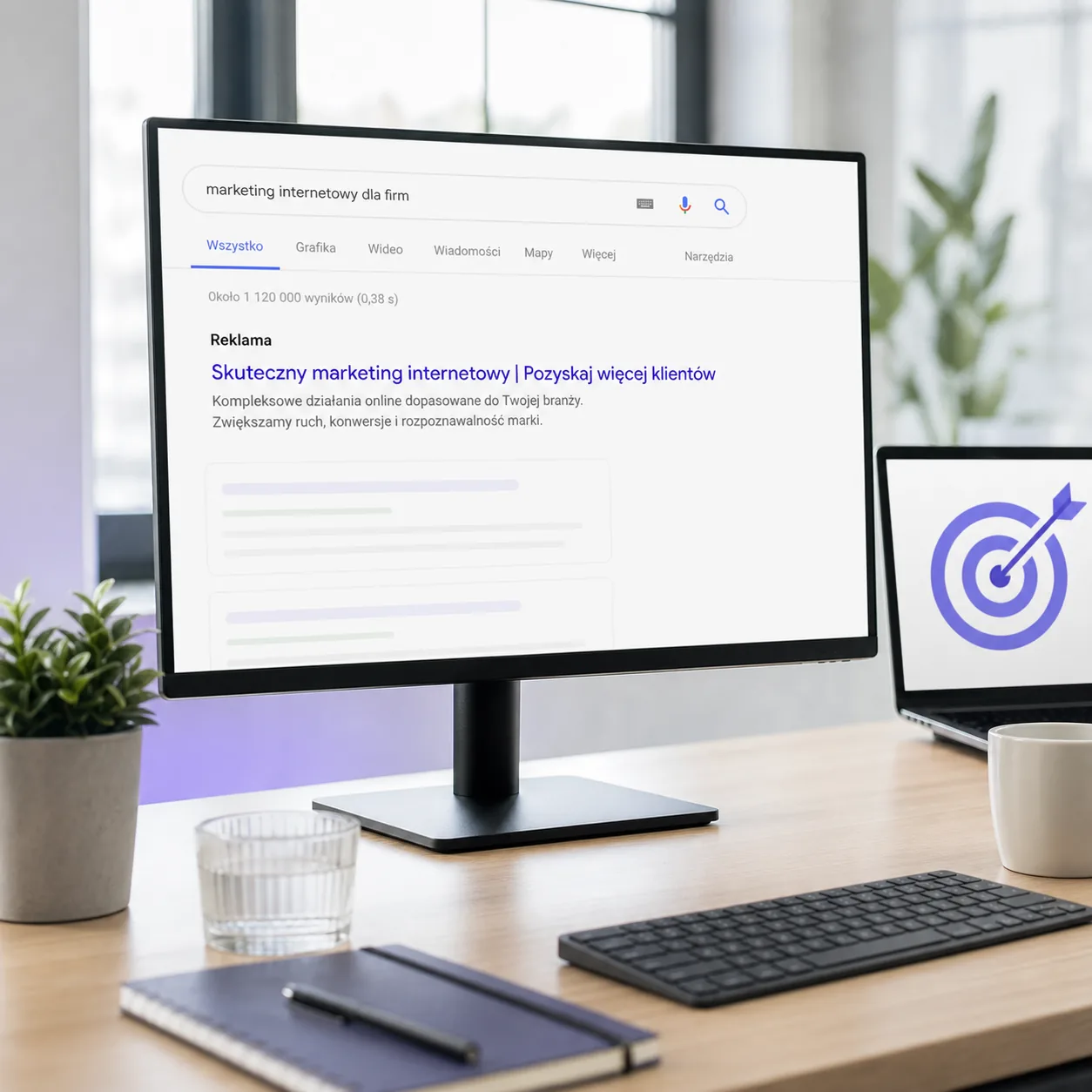
Google Ads is paid search. You bid to appear at the top of the results for chosen keywords, and you pay each time someone clicks. The moment your campaign goes live and your card is charged, you can be visible. Turn the campaign off, and that visibility disappears just as quickly.
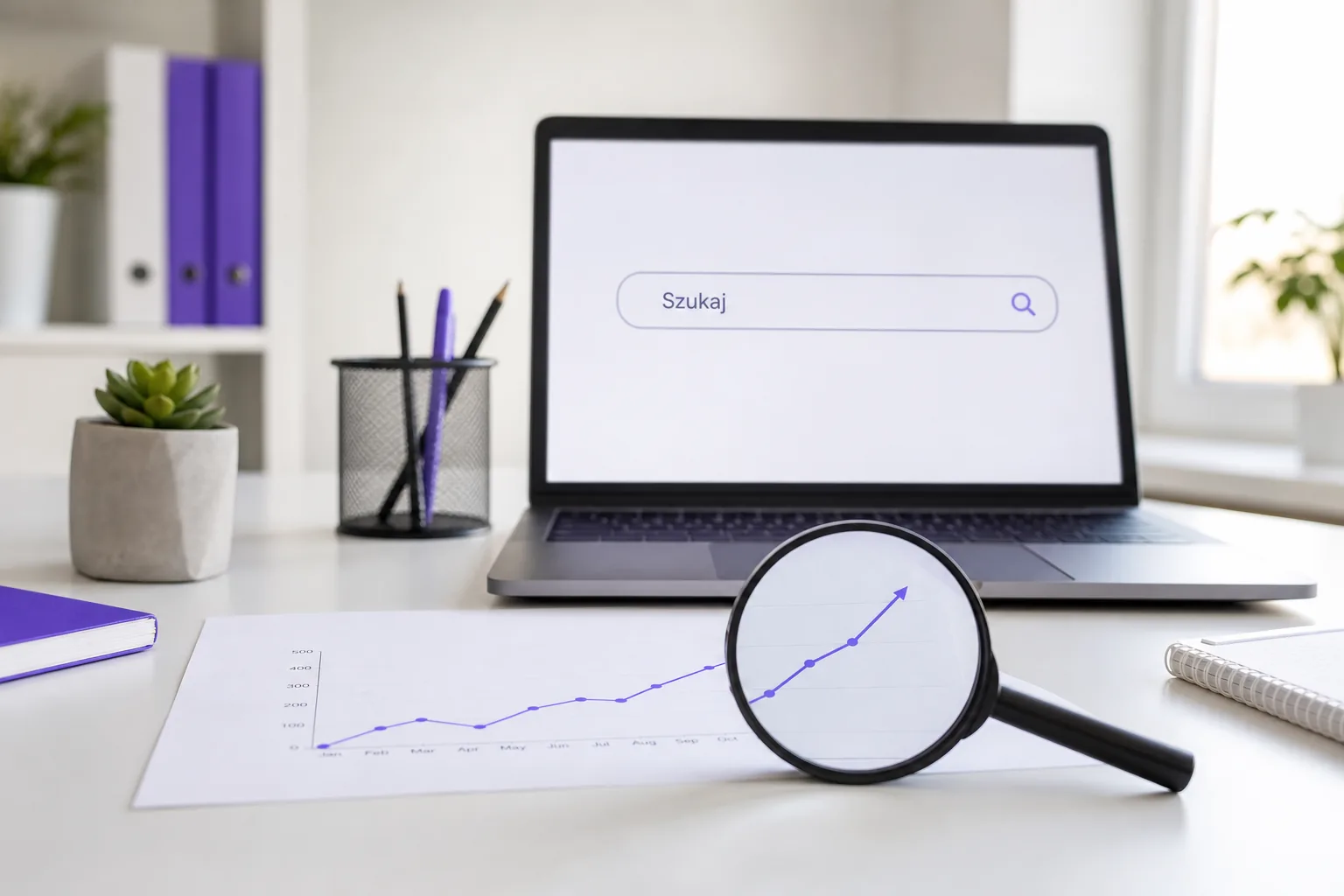
SEO, or search engine optimisation, is the work of earning organic rankings. You improve your website, publish genuinely useful content, fix technical issues and build authority so that Google chooses to show your pages for relevant searches. You do not pay for the clicks. Instead, you invest time and effort up front, and the results compound over months.
One is rented visibility. The other is owned. Both have their place.
Time to results
This is the biggest practical difference, and it shapes most decisions.
- Google Ads delivers traffic almost immediately. If your ad, budget and landing page are set up correctly, you can have enquiries within days.
- SEO takes time. Depending on your market and the state of your site, meaningful movement usually takes several months, and competitive terms can take longer.
- SEO rarely arrives all at once. It builds gradually as more pages rank and your site earns trust.
If you need enquiries this week, SEO alone will not save you. If you want a channel that keeps delivering long after the initial work, ads alone will not build that for you.
Durability and what you are left with
With Google Ads, you are effectively renting your place at the top. It is reliable and controllable, but it stops the instant you stop paying. There is nothing left over.
SEO behaves like an asset. A well-optimised page that ranks can bring in visitors month after month without a per-click cost. Rankings do need maintenance, and competitors will try to overtake you, but the underlying value stays with your business. This is why we often describe SEO as building equity in your website.
The simplest way to think about it: ads buy you attention today, SEO earns you attention tomorrow.
Cost, and how it changes over time
The cost profiles are almost mirror images. With ads, your spending is ongoing and scales directly with traffic. More clicks means more cost, every single day. In competitive sectors, the price per click can be high, which puts real pressure on your margins.
SEO front-loads the investment. The early months feel like spending with little return, because the work is happening before the rankings arrive. Once pages start to perform, the cost per visitor tends to fall over time, because you are no longer paying for each click. The trade-off is patience and consistency.
When to choose Google Ads first
There are clear situations where paid search should lead:
- You have a new website with little authority and need enquiries now, not in six months.
- You are launching a product, running a seasonal offer or promoting a time-limited event.
- You want to test which keywords and messages actually convert before committing to long-term content.
- Your margins comfortably absorb the cost per click and you can measure a clear return.
When to lean into SEO first
SEO deserves priority when you are playing the longer game:
- You want a sustainable flow of enquiries that does not vanish when the budget pauses.
- Your customers research before they buy, so helpful content genuinely influences their decision.
- The cost per click in your sector is high, making organic traffic far more economical over time.
- You are building a brand you intend to grow for years, not a short campaign.
Why we usually recommend both, early
In practice the strongest results come from running the two together, especially in the first year. Here is the logic. Ads give you immediate visibility and, just as importantly, fast data. Within weeks you learn which keywords bring enquiries, which landing pages convert and what language your customers respond to. That intelligence is gold for your SEO strategy, because it tells you exactly which pages are worth building and optimising.
Meanwhile, SEO works quietly in the background, building the organic foundation that will eventually reduce your reliance on paid clicks. As your rankings improve, you can gradually scale ad spend back on the terms you now win organically, and redirect that budget to new opportunities. The two channels hand off to each other rather than compete.
There is also a trust effect. When a business appears in both the paid and the organic results for the same search, it looks more established and credible. That double presence tends to lift overall click-through, and neither channel alone captures it.
So which comes first?
If we had to reduce it to a single principle: use Google Ads to buy time, and use that time to build SEO. Ads keep the enquiries coming while your organic presence matures. Once SEO is delivering, you have far more freedom in how you spend, because you are no longer paying for every visitor.
Every business is different, and the right split depends on your market, margins and goals. If you would like an honest assessment of where your budget will work hardest, we are happy to look at your situation and give you a straight answer. Get in touch and we will talk it through, no jargon and no pressure.
Got a project in mind?
Turn the reading into action. Tell us about it — we'll help design your site and build its visibility in Google.
Free quote